


 Sign in
Talents
Talents are the points a character spends to specialize their class. From level 10 to 60 a character in Classic earns one point per level, 51 in all, and puts them into three trees that each push the class in a different direction. Two warriors of the same level and gear could play very differently because of where their points went.
How the trees work
Every class has three talent trees, named for the roles or schools it covers: a warrior has Arms, Fury and Protection; a priest has Discipline, Holy and Shadow; a mage has Arcane, Fire and Frost. Each tree has seven tiers. A talent in the second tier needs 5 points already spent in that tree, the third tier needs 10, and so on, so the deepest talents ask for real commitment.
Most talents have several ranks and improve something the class already has, such as a few percent more critical strike chance or a cheaper spell. Some grant new abilities. The bottom of each tree holds the 31-point talent, the reward for putting more than half of a character's points in one place: Mortal Strike for Arms warriors, Bloodthirst for Fury, Shield Slam for Protection, Shadowform for Shadow priests, Moonkin Form for Balance druids, Trueshot Aura for Marksmanship hunters and Holy Shock for Holy paladins, among others. Some arrows link talents too: a talent can require another one above it to be maxed out first.
With 51 points, a player can reach one 31-point talent and still put 20 into a second tree, or spread points across all three for the strong talents near the top of each. These choices produced the familiar shorthand of Classic, where a build is written as three numbers, like 31/20/0 for a warrior with Mortal Strike and a deep dip into Fury.
The site's talent calculator shows each class's trees as they were in patch 1.12 and lets a build be planned before spending any gold.
Builds and roles
Classic has no dual specialization and no role picker, so a character's talents define what they are good at. Raid healers commonly went deep into Holy or Restoration, picking up talents like Nature's Swiftness and zzOLDSpell - Reuse 724. Raid warriors who tanked bosses often spent heavily in Protection, while those who did damage went into Fury. Guilds sometimes asked a member to change their build for a fight, and some classes had to choose between a build for raids and one for battlegrounds.
Hybrid classes felt the choice most. A druid could only be a strong cat, a strong healer or a strong caster by putting points into that tree, and talents such as Moonkin Form were rare in raids because they traded healing for damage. Shadow priests brought Shadowform and a debuff that raised the raid's shadow damage, but groups usually wanted only one.

Resetting talents
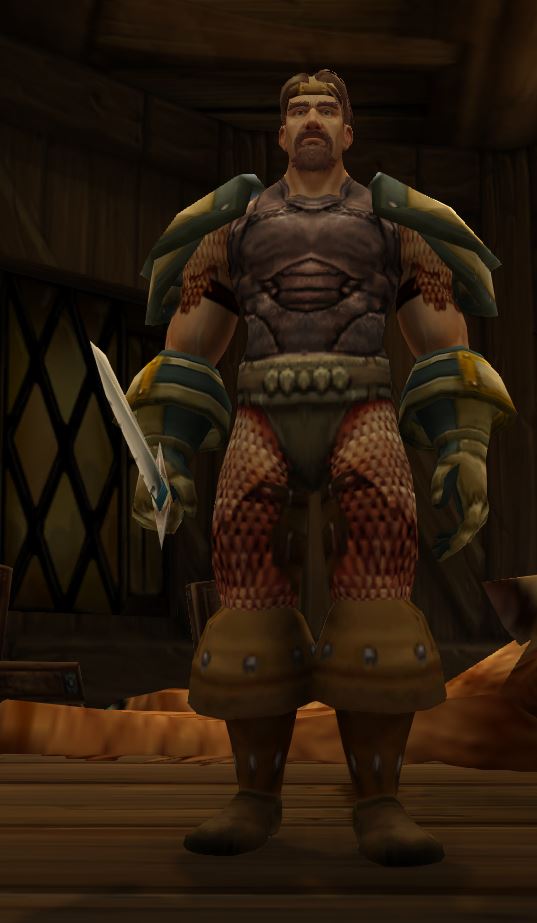
A player who wants a new build visits their class trainer, such as Ander Germaine for Alliance warriors in Stormwind City or Grezz Ragefist for Horde warriors in Orgrimmar, and pays to unlearn every talent at once. There is no way to undo a single point.
The first reset costs 1 gold. The second costs 5 gold, and each one after that costs 5 gold more, up to a cap of 50 gold. If a character goes a month without resetting, the price drops back by 5 gold, so occasional changes stay cheap while players who switch every week pay the full 50. For a raider who wanted a PvP build on the weekend and a raid build on raid nights, that cost was part of the game's economy, and it is one reason many players picked one build and kept it.

Later history
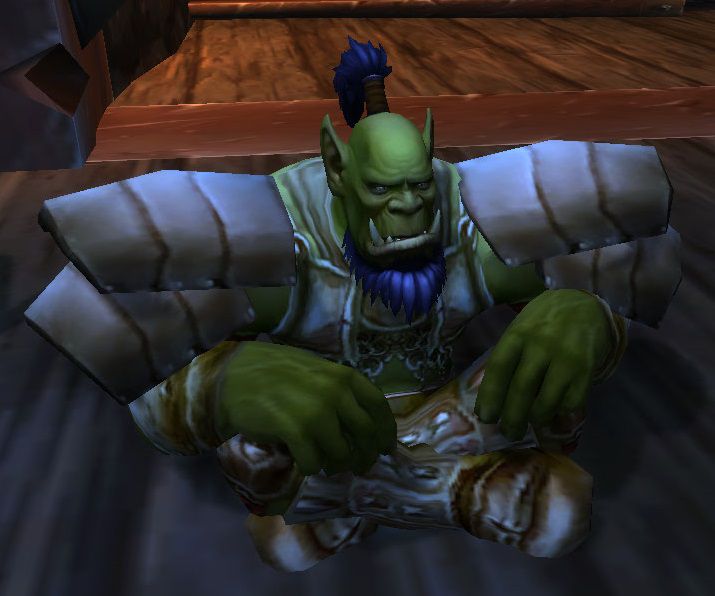
The Burning Crusade raised the level cap to 70 and with it the number of points, and Wrath of the Lich King added dual specialization so a character could keep two builds. Cataclysm cut the trees down and asked players to pick a specialization first, and Mists of Pandaria replaced the trees with a choice of one talent per row every 15 levels. Dragonflight brought back large trees in a new form. Classic Era servers and WoW Forever keep the original 51-point trees from patch 1.12.
Sources
Categories: Game Mechanics
Comments (0)
No comments yet.