


 Sign in
Threat
This is revision 1, from Oct 29, 2026 04:23. See the current page.
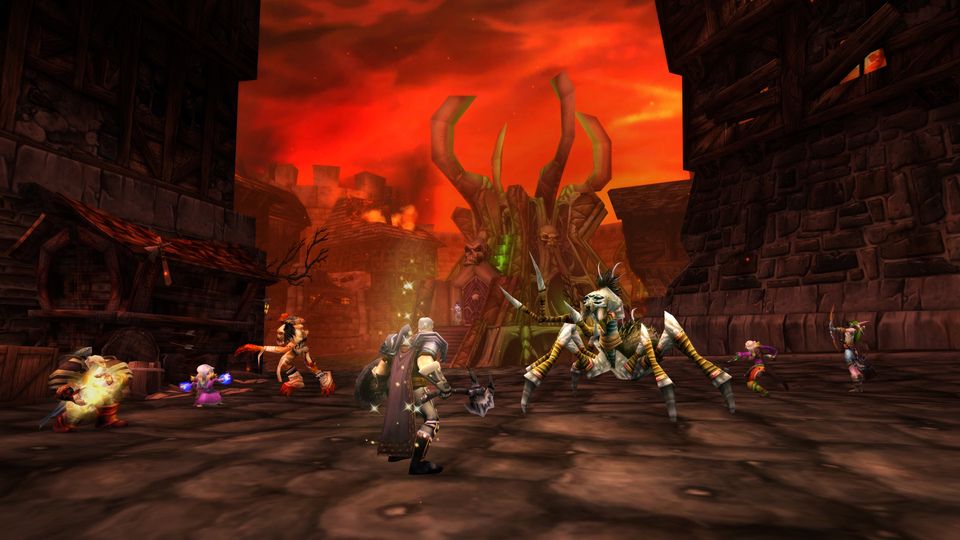
Threat, often called aggro, is the hidden number that decides which player a monster attacks. Every monster keeps a list of the players fighting it, and attacks whoever has the most threat. Managing that list is the basis of group play in Classic: tanks build threat to hold monsters, and everyone else keeps theirs low enough not to pull the monster off the tank.
How threat is built
Nearly everything a player does in combat creates threat. Each point of damage adds one point of threat on the monster that took it. Healing adds half a point of threat per point healed, spread across every monster fighting the healer's group, which is why healers draw monsters to themselves when a fight starts badly. Buffs and gains of mana or rage add small amounts too.
Some abilities create extra threat on purpose. Warriors' Sunder Armor does little damage but adds a large amount of threat, and Revenge and Shield Slam are built for the same job. Many abilities simply multiply threat. Defensive Stance multiplies a warrior's threat by 1.3, and the Protection talent Defiance raises it further. Druids in Bear Form get the same bonus. Paladins can use [[forever:spell:25780]] to make their holy damage generate more threat. Rogues, on the other hand, have a built-in reduction to their threat.
Pulling aggro
A monster does not switch targets the moment someone passes the tank. A player in melee range must reach 110% of the current target's threat, and a player at range must reach 130%. That buffer lets damage dealers push close to the tank without taking over, and it explains a common Classic mistake: a mage who waits for the warrior to build threat, then opens with a critical Pyroblast that crosses 130% at once.
When a player pulls aggro, the monster turns on them until someone passes their threat in turn. A tank can force it back with a taunt: Taunt for warriors and Growl for druids set the tank's threat equal to the highest on the list and make the monster attack them for a few seconds. Challenging Shout and Challenging Roar do the same to every monster nearby, a last resort when a group is in trouble.

Lowering threat
Several classes can shed threat:
- Priests use Fade to lose threat for a few seconds.
- Hunters use Feign Death to drop off monsters' lists entirely.
- Rogues use Feint to lose some threat, or Vanish to leave combat.
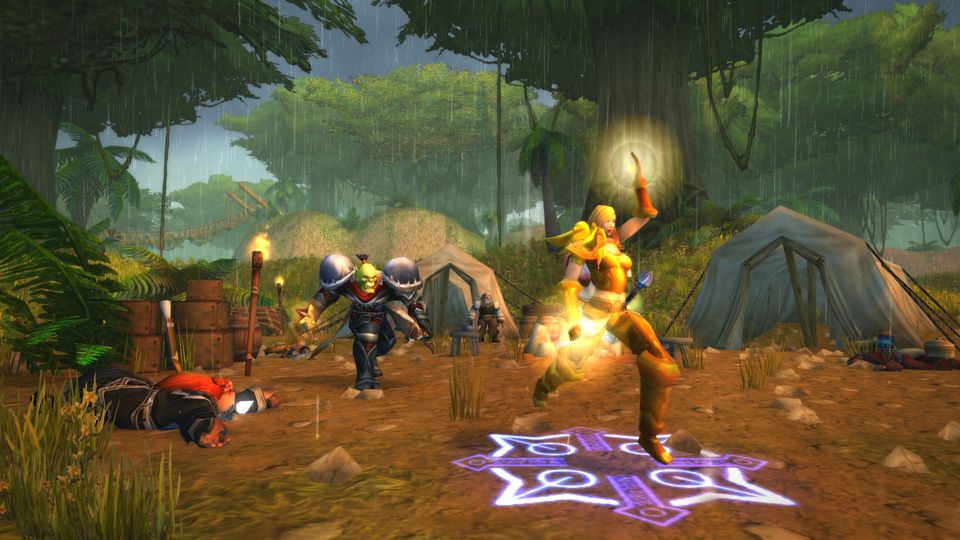
- Paladins cast Blessing of Salvation on a party member to reduce all the threat they generate by 30%, a staple for raid damage dealers.
- Shamans place [[forever:spell:25908]] to reduce the party's threat.
Some bosses change threat themselves. Broodlord Lashlayer and Onyxia knock their target away and lower their threat, so a second tank has to be ready.
Threat in raids
In 40-player raids, threat set the pace of a fight. The main tank's threat was the ceiling for every damage dealer, and a raid's damage depended on how fast the tank could build threat in the first seconds. Classic shows no threat numbers, so raiders installed add-ons such as KLH Threat Meter, which shared each player's estimated threat with the raid. Damage dealers learned to watch the meter, stop attacking when close to the tank, or use their threat-dropping ability. A death caused by "pulling aggro" became one of the commonest jokes about raiding.

Later history
Wrath of the Lich King added a threat display to the default interface, and later expansions raised tanks' threat until it rarely mattered outside special fights. Classic Era and WoW Forever keep the 1.12 rules, where threat is a constant concern for every player in a group.
Sources
Categories: Game Mechanics